

A follower recently reached out with a thoughtful question that I think many of us can relate to in different ways.
After an accident that permanently affected his eye, he was concerned about speaking to customers and groups virtually. Should he wear an eye patch or leave his eye as is? His main worry: Would it distract from his message?
Here's what I've learned about physical insecurities after evaluating over 1,500 professionals on camera:
People are remarkably forgiving of physical characteristics we can't control. Yes, they notice initially—but they adapt quickly and focus on your message if you're delivering value.
What actually distracts audiences? The things we CAN control but don't:
- Poor lighting makes it difficult to see you clearly
- Messy or controversial backgrounds that pull focus
- Incongruent facial expressions or body language
- Distracting or repetitive movements
- Refusing to look your audience in the eye
The real issue isn't usually what we think it is.
Whether it's a facial feature, a lazy eye, a scar, wrinkles, extra weight, or something else we're self-conscious about, our discomfort with physical insecurities affects our delivery far more than the thing itself.
If you're projecting self-consciousness, your audience picks up on that energy. They might not know why you seem uncomfortable, but they feel it. And THAT becomes the distraction.
Here's my advice:
Make a decision about how you want to present yourself (like choosing to wear an eye patch or going without). Then own that decision fully and move on mentally.
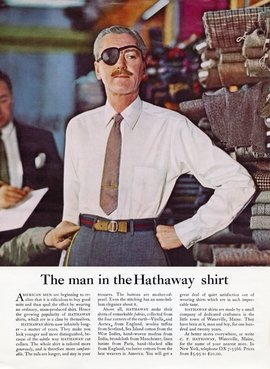
My follower reminded me of the Hathaway shirt campaign. Marketing genius David Ogilvy put an eye patch on the model and it became an iconic, memorable trademark—not despite the eye patch, but because of the confidence it projected.
Your audience came for your expertise and your message. If you're delivering value with confidence and authenticity, that's what they'll remember.
